
Attachment theory, developed by John Bowlby and expanded by Mary Ainsworth, explains how early caregiver interactions shape emotional regulation and relationship patterns in adulthood. The Attachment Theory Test assesses these internal working models to classify adults into four primary attachment styles: secure, anxious-preoccupied, dismissive-avoidant, and fearful-avoidant (disorganized). This classification predicts relational behaviors, conflict responses, and emotional availability.
The test is grounded in decades of empirical research, including the Adult Attachment Interview (AAI) and self-report measures like the Experiences in Close Relationships (ECR) scale. Validated instruments evaluate two core dimensions: anxiety about abandonment and avoidance of intimacy. High anxiety correlates with hypervigilance to rejection; high avoidance reflects discomfort with closeness and self-disclosure. Scores along these axes determine the attachment category.
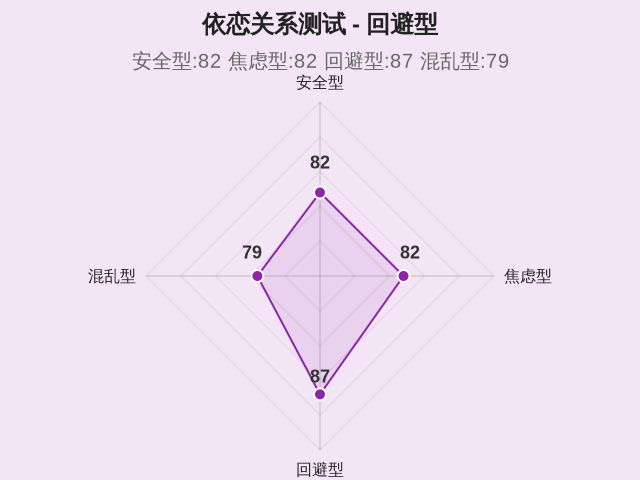
- Secure attachment: Low anxiety, low avoidance. Individuals trust partners, communicate needs clearly, and maintain healthy interdependence.
- Anxious-preoccupied: High anxiety, low avoidance. Characterized by fear of abandonment, excessive reassurance-seeking, and emotional volatility.
- Dismissive-avoidant: Low anxiety, high avoidance. Emphasizes self-reliance, minimizes emotional needs, and distances during conflict.
- Fearful-avoidant (disorganized): High anxiety, high avoidance. Conflicted desire for closeness paired with distrust, often stemming from trauma or inconsistent caregiving.
Clinical utility of the Attachment Theory Test extends beyond diagnosis. It informs therapeutic interventions—such as Emotionally Focused Therapy (EFT) or schema therapy—by identifying maladaptive relational schemas. For example, an anxiously attached individual may benefit from distress tolerance training and cognitive restructuring around rejection sensitivity. Avoidant individuals often require gradual exposure to vulnerability and corrective emotional experiences in safe relationships.
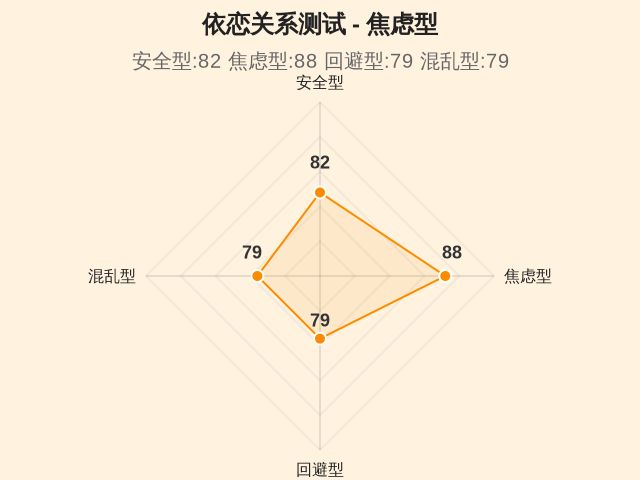
Administration requires standardized protocols. Self-report versions (e.g., ECR-R) use Likert-scale items like “I worry about being abandoned” or “I prefer not to show my partner how I feel.” Scoring algorithms plot responses on the anxiety-avoidance grid. While convenient, self-reports have limitations: they rely on introspective accuracy and may miss unconscious patterns detectable only through narrative interviews like the AAI, which analyzes discourse coherence and memory organization.
Interpretation must account for context. Temporary stressors (e.g., recent breakup) can inflate anxiety scores. Cultural norms also influence expression—collectivist societies may normalize higher proximity-seeking without pathology. A valid assessment integrates test results with behavioral observation, relationship history, and clinical judgment. Misclassification risks include pathologizing normative distress or overlooking comorbid conditions like borderline personality disorder, which shares features with disorganized attachment.
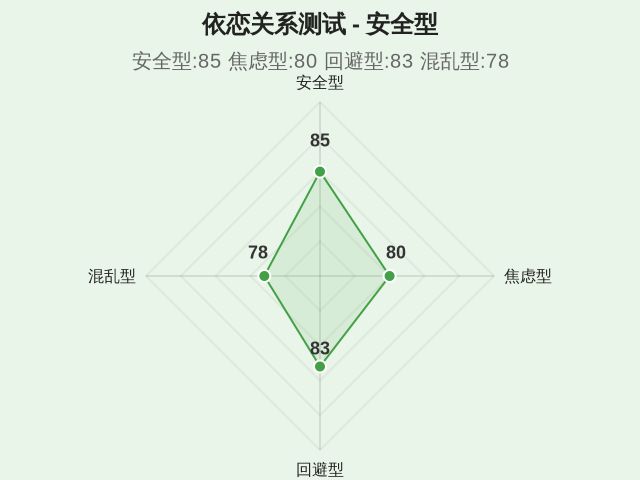
Change is possible. Neuroplasticity and relational experiences enable earned security—shifting from insecure to secure functioning through consistent, attuned relationships or targeted therapy. The Attachment Theory Test serves not as a fixed label but as a baseline for growth. Re-testing after intervention can quantify progress in emotional regulation and interpersonal effectiveness.